 Log out
Alcohol And Depression
Following a Mediterranean diet rich in omega-3s, for example, might be one recommendation. Researchers agree that alcohol and depression have a bidirectional relationship, meaning that depression can cause overuse of alcohol, but overuse of alcohol can also cause depression. Alcohol irritates the GI tract, leading to inflammation and damage to the lining of the stomach and intestines. This can result in conditions like gastritis, ulcers, and gastrointestinal bleeding. It can also interfere with how your body absorbs essential nutrients in the digestive system and lead to nutritional deficiencies over time, particularly vitamins B, D, and folate. However, for the best results, your doctor will likely treat them together.
Can drinking too much make you feel depressed?
In fact, the likely scenario is that you will eat unhealthy meals because you don’t have the time or energy to invest in smarter choices. Without getting too clinical, what’s important to know is that alcohol stimulates the automatic nervous system. And because what goes up must come down, your mood will eventually nosedive. If you drink wine, beer, whiskey or other alcoholic beverages, there’s a good chance you already know they can interfere with sleep.
- An individual might begin drinking more regularly to feel better about themselves and forget about unfavorable memories and emotions.
- She has covered global healthcare issues, including outbreaks of the Ebola and Zika viruses, anti-vaccination movements, and chronic diseases like obesity and Alzheimer’s.
- There are certain risk factors that can make someone more likely to have depression symptoms worsen due to drinking alcohol.
- In rare cases, some of these drugs can make depression much worse.
- Furthermore, the short-term effects of alcohol can mask underlying issues, making it difficult to address the root cause of the depression.
Gastrointestinal issues
We interviewed FOLX clinician Jess (she/they), DNP drawing upon their experience serving transgender, nonbinary, and other gender-nonconforming patients providing gender-affirming care. We discussed how alcohol impacts mental health, particularly depression. This article was clinically reviewed by fellow FOLX clinician Kaity, CNM PMHNP-BC. If you have an alcohol use disorder and a mental health problem, you must seek help for both conditions. The added head pain, body aches, and nausea can worsen feelings of depression.
Long-Term Risks of Alcohol Dependence
It includes mindfulness as a strategy to manage discomfort as it occurs. CBT is a great option for overcoming depressive thoughts and developing new strategies for coping with depression outside of alcohol use. The phrase feeling depressed has become a well-known and commonly used term to describe a feeling of sadness or feeling down.
Recovery For College Students
These downer effects, some studies suggest, may grow more powerful after an early euphoric peak. Yet—as life and pop culture so frequently show us—many people trying to cope with the pain, numbness, anxiety, or other symptoms of depression all too often turn to booze. Given that alcohol is commonly referred to as a “depressant,” one might think people dealing with depression would steer clear of a stiff drink when they’re feeling low. Try to get at least 8 hours of high-quality, uninterrupted sleep every night and avoid drinking close to bedtime.
Another common question people ask is, “Does alcohol make depression worse? Alcohol interferes with medications used to treat depression, making them less effective. It also impairs sleep and judgment, both of which can intensify depressive symptoms. Prolonged alcohol use and addiction worsen mental health and make depression more resistant to treatment. The best way to reduce the risk of alcohol making depression worse is to limit or avoid alcohol consumption. If you are unable to abstain from drinking, it is important to drink in moderation.
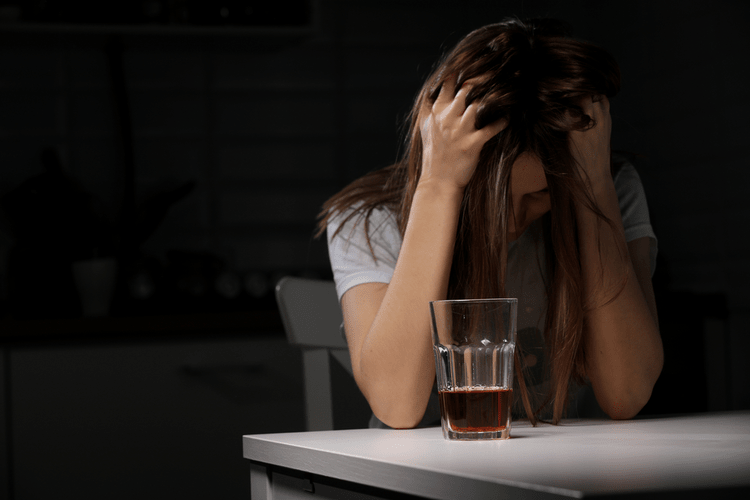
Fueled by feelings of guilt and shame, does alcohol make depression worse the result can be a situation where a person isolates. That’s not a good thing because we know from mounds of research that social interaction is critical to preventing depression. When you drink alcohol in excess, it can have a negative effect on important mood-regulating chemicals called serotonin and norepinephrine (neurotransmitters). Alcohol changes brain chemistry in ways that interfere with how emotions are managed. It lowers essential neurotransmitters like serotonin and norepinephrine, which play a significant role in stabilizing mood.
If you have specific questions or concerns, we encourage you to follow up with a healthcare professional. The key to a healthy relationship with alcohol is balance, which usually boils alcoholism treatment down to habits. The best way to break any habit is to take small steps and trust the process. Set yourself up for success by taking stumbling blocks out of your path.
Alcohol & The Brain: Why Drinking Doesn’t Help Depression
I’m going to share a brief example below to help draw a mental picture. These layers of support help sustain progress, providing structure and guidance to stay on track long after treatment begins. John C. Umhau, MD, MPH, CPE is board-certified in addiction medicine and preventative medicine. For over 20 years Dr. Umhau was a senior clinical investigator at the National Institute on Alcohol Abuse and Alcoholism of the National Institutes of Health (NIH). She holds certification from the National Commission on Certification of Physician Assistants (NCCPA).
- It is also linked to a higher suicide risk, fueled by the impulsivity and narrowed thought patterns that alcohol consumption triggers.
- Withdrawal symptoms, cravings, and social pressures can make recovery feel overwhelming.
Alcohol use and depression symptoms
In turn, that creates a vicious cycle that may seem impossible to break free. For individuals already at risk — because of genetics, trauma, stress, or other mental health challenges — alcohol can act as a trigger. It may bring on depressive symptoms earlier, make them more severe, or increase the likelihood of a recurring depressive episode. The initial buzz may bring a sense of calm, relaxation, or even temporary relief from sadness. Once those effects fade, alcohol actually worsens depressive symptoms by slowing brain activity and lowering mood.

Leave a Reply